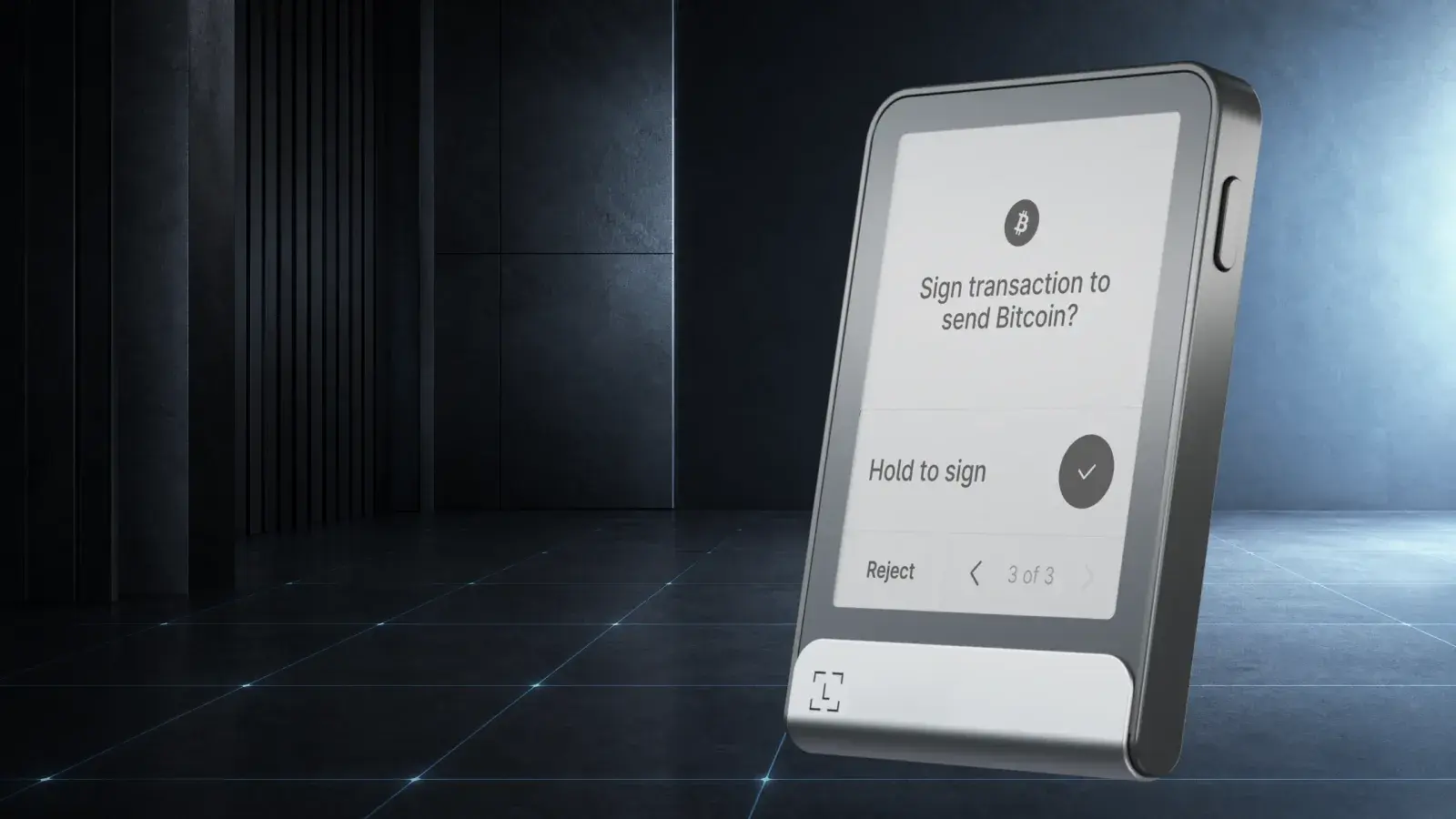
Wallets
Ledger Flex Review (2026): Is the US$249 Wallet Worth It?
Ledger Flex offers a 2.84-inch E Ink touchscreen for US$249. It suits buyers wanting a premium Ledger without paying US$399 for Stax.
Michael Gu
Author
Michael Gu, Creator of Boxmining, stared in the Blockchain space as a Bitcoin miner in 2012. Something he immediately noticed was that accurate information is hard to come by in this space. He started Boxmining in 2017 mainly as a passion project, to educate people on digital assets and share his experiences. Being based in Asia, Michael also found a huge discrepancy between digital asset trends and knowledge gap in the West and China.
264 articles
Ledger Flex offers a 2.84-inch E Ink touchscreen for US$249. It suits buyers wanting a premium Ledger without paying US$399 for Stax.
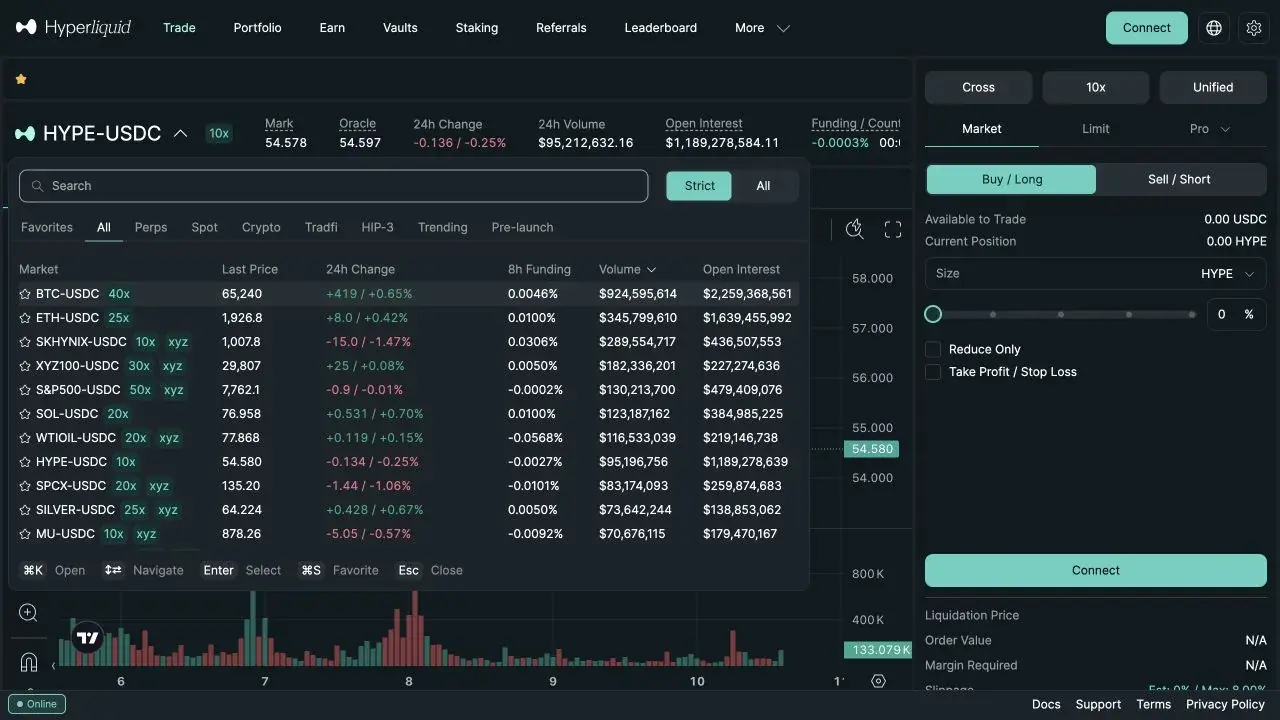
Hyperliquid combines onchain perpetual order books, strong flagship liquidity and a polished terminal. Review its fees, leverage, bridge, safety and restrictions.
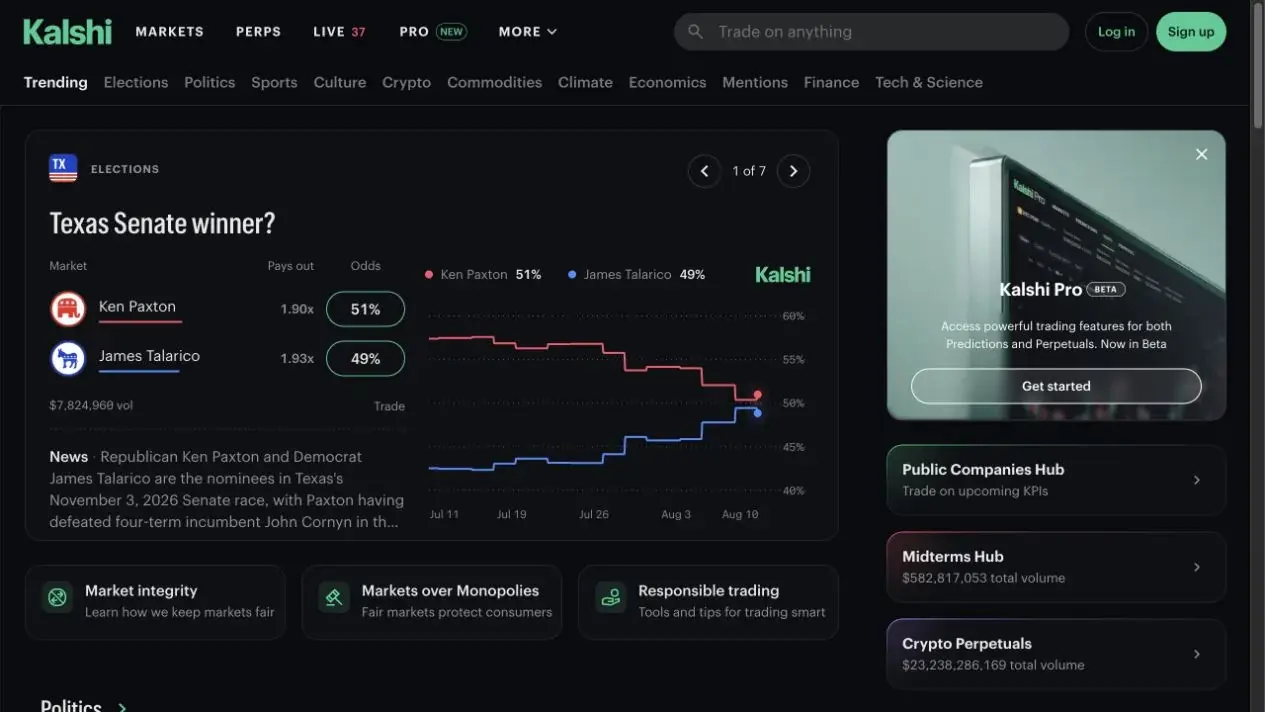
Kalshi offers regulated event contracts with dollar funding and broad market coverage. Review its fees, liquidity, KYC, settlement rules and eligibility.
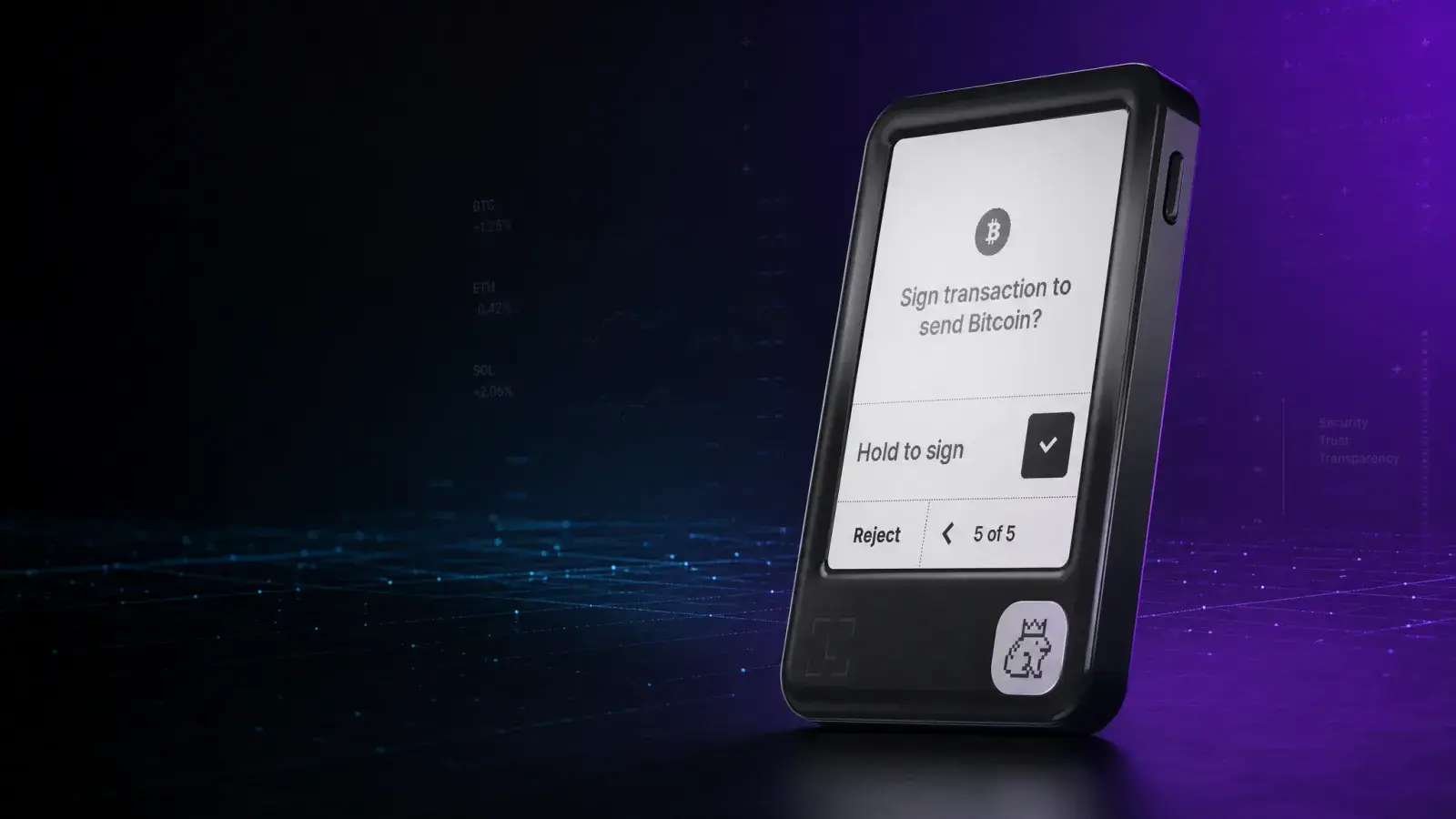
Ledger Nano Gen5 adds an E Ink touchscreen, Bluetooth and Clear Signing for US$179. It is the practical Ledger for regular mobile crypto users.

Is Polymarket worth using? We review its taker fees, order-book liquidity, safety, funding, market rules and country restrictions.
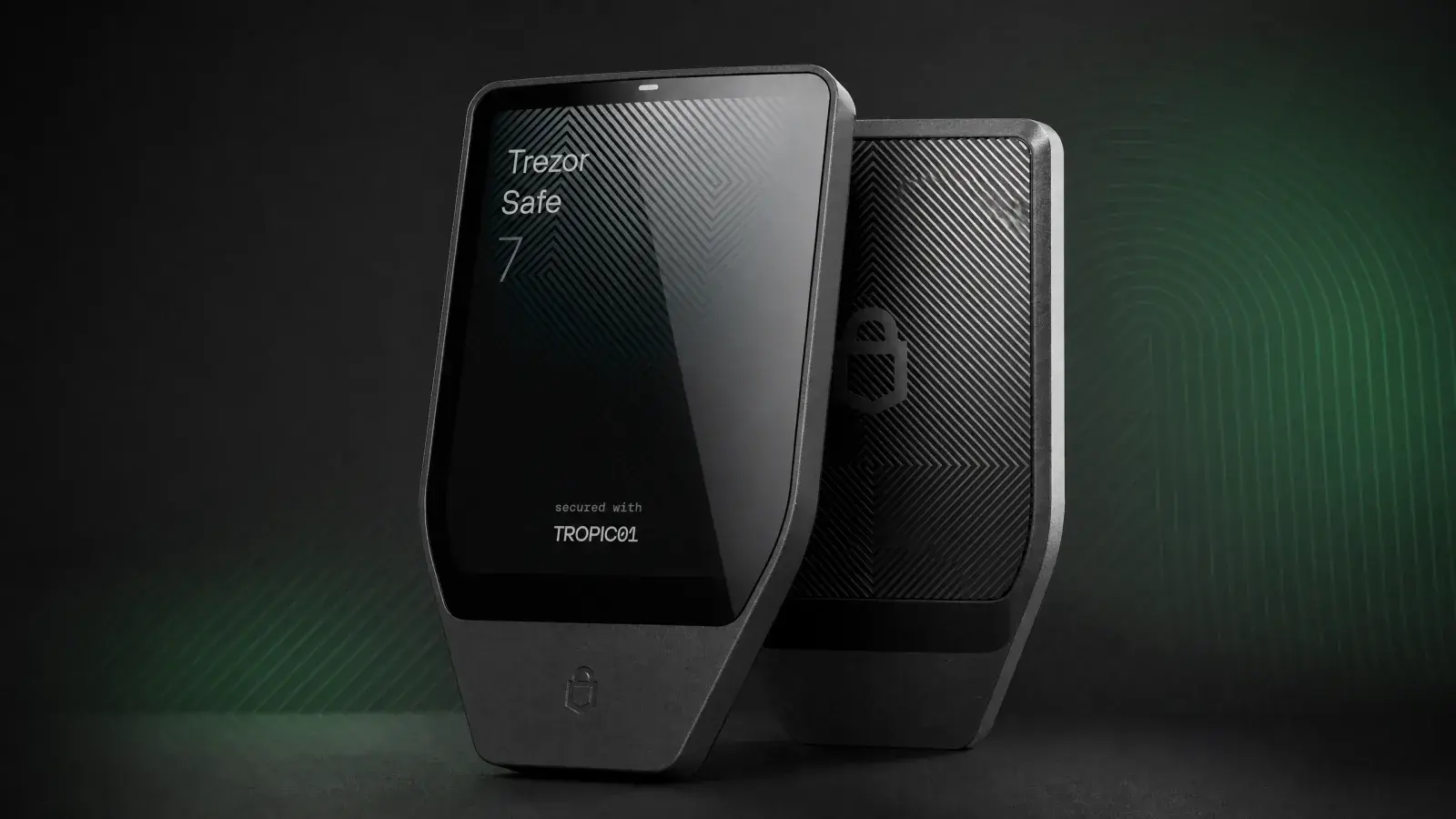
Trezor Safe 7 adds Bluetooth, wireless charging and a larger screen for US$249. It suits mobile users who understand the TROPIC01 disclosure.
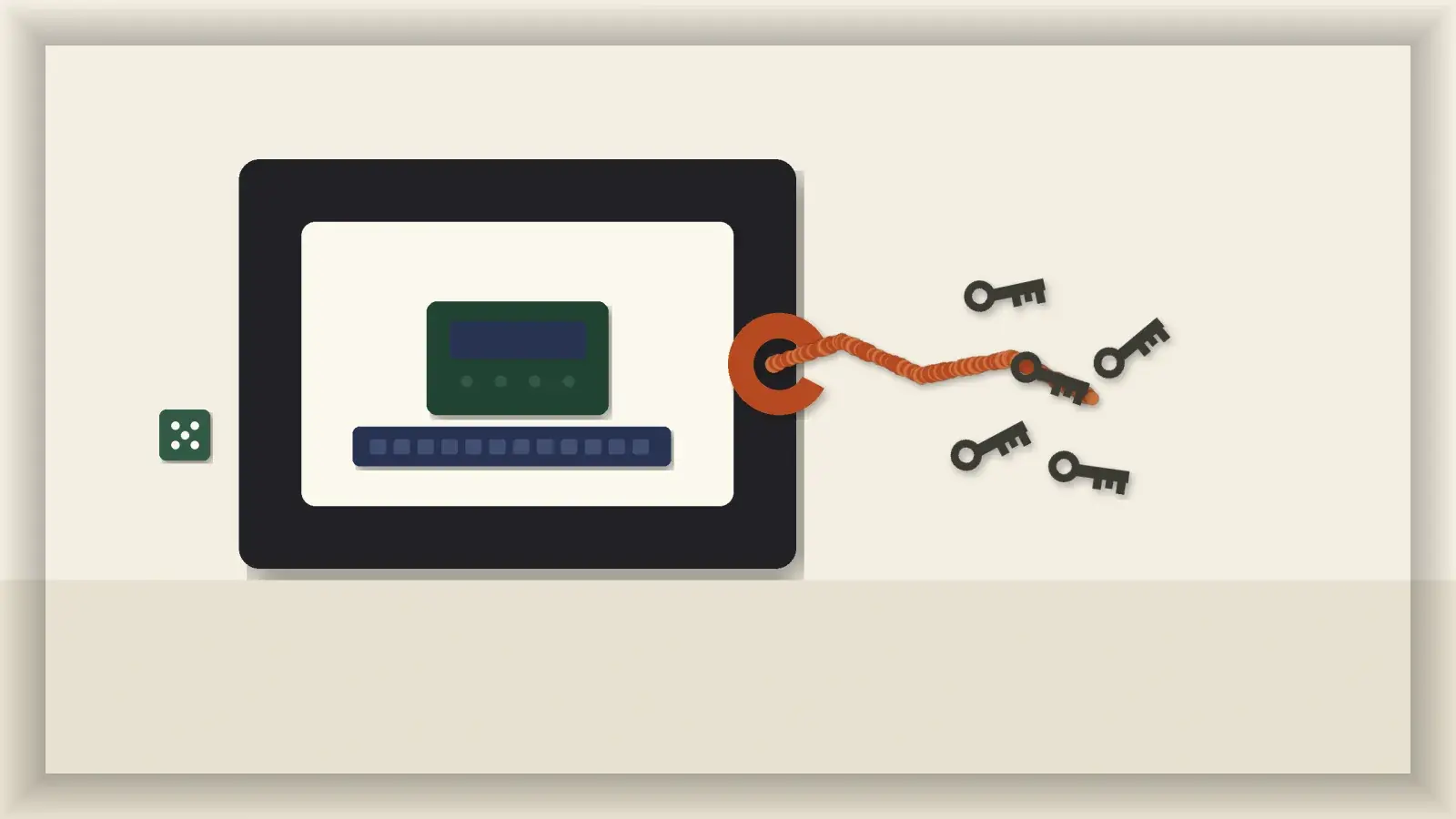
Coldcard routed seed generation to a weak software PRNG for years. Attackers are sweeping wallets offline, and firmware fixes do not save old seeds.
FundedXyz review: compare X, Y and Z modes, simulated balances, drawdown rules and USDT payout terms before paying for a crypto prop challenge.
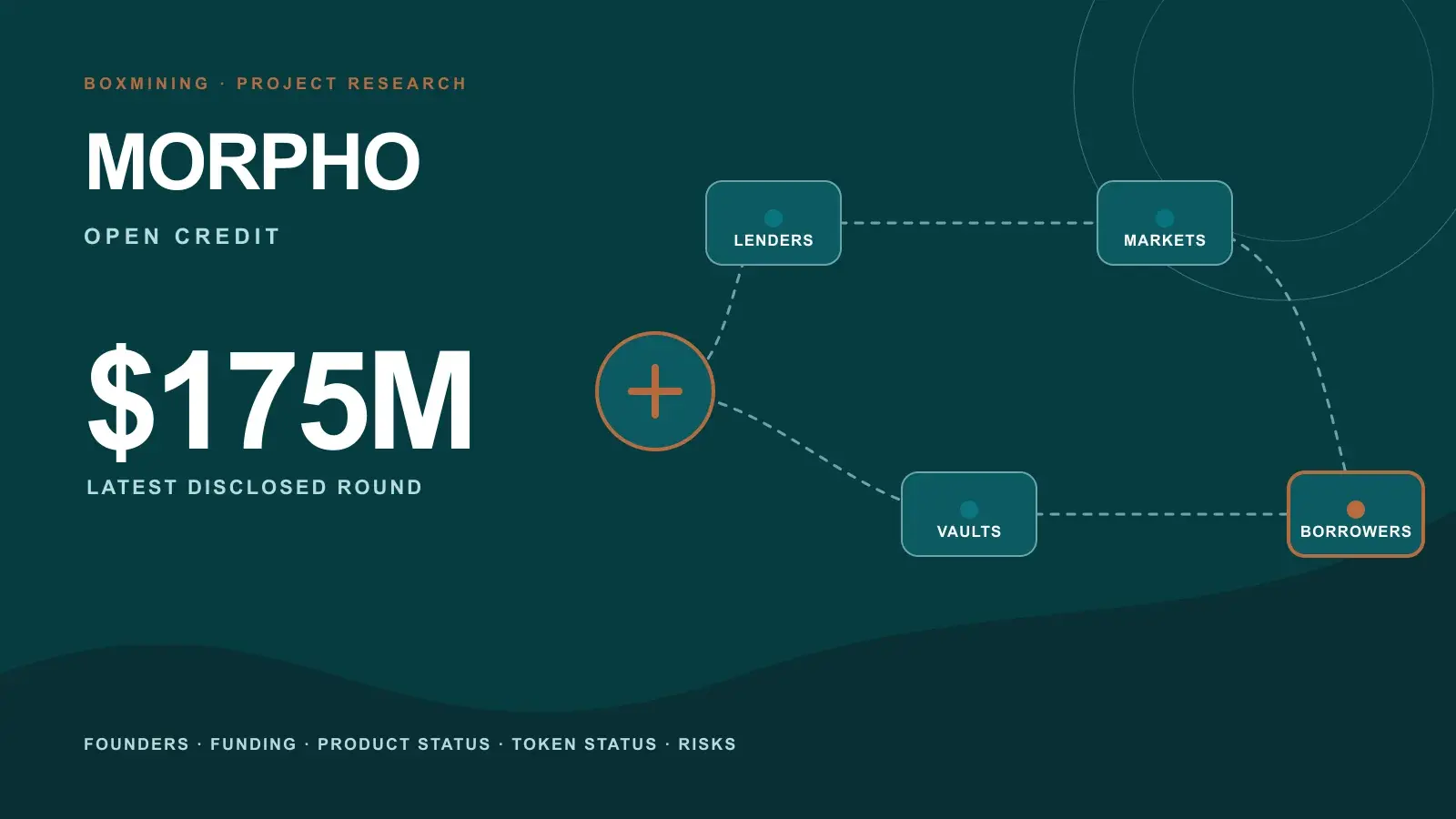
Morpho’s $175 million round unites crypto-native VCs and major institutions around open credit. Here is what the money, token and risks actually mean.
Midas has raised $50 million to build a faster liquidity layer for tokenized financial products. We separate the RWA story from issuer, custody and token risks.
Digital Asset’s $355 million round brings venture, banks, market makers and asset managers into one institutional blockchain bet. We separate equity, network activity and Canton Coin.
Squads’ new funding is a bet that stablecoins become business banking infrastructure. We examine Altitude, the founders, investor network, live claims and dependencies.
Twyne turns unused borrowing power into a market. Its early usage is real, but its newest funding and pseudonymous team require more caution than a normal venture profile.
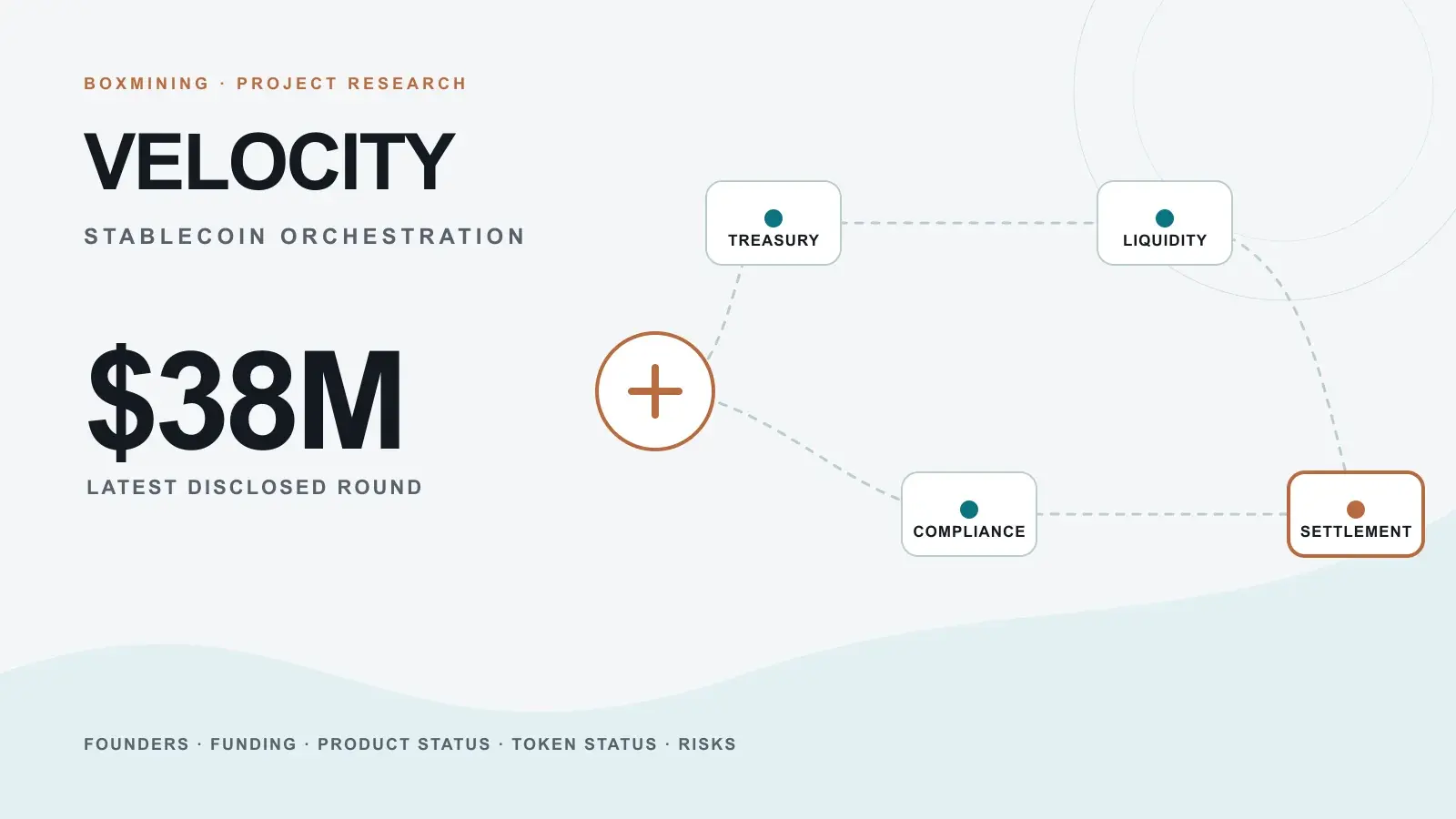
Velocity’s $38 million Series A shows stablecoins moving into enterprise treasury software. We examine the founder transition, product evidence, investor mix and hidden dependencies.
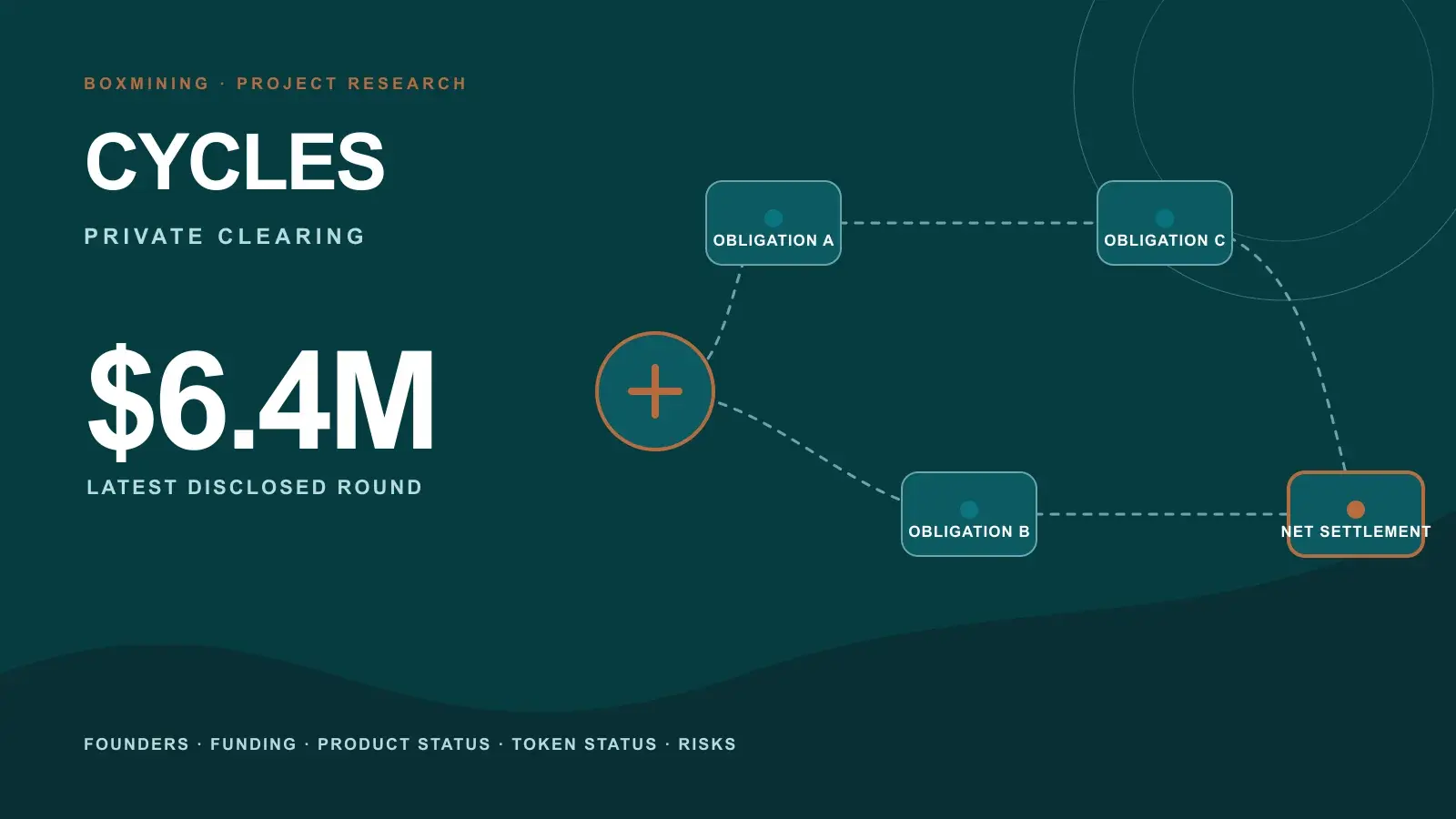
Cycles wants companies to settle only the residual after obligations cancel out. The seed is credible; the hard part is building a multi-party network that works under stress.
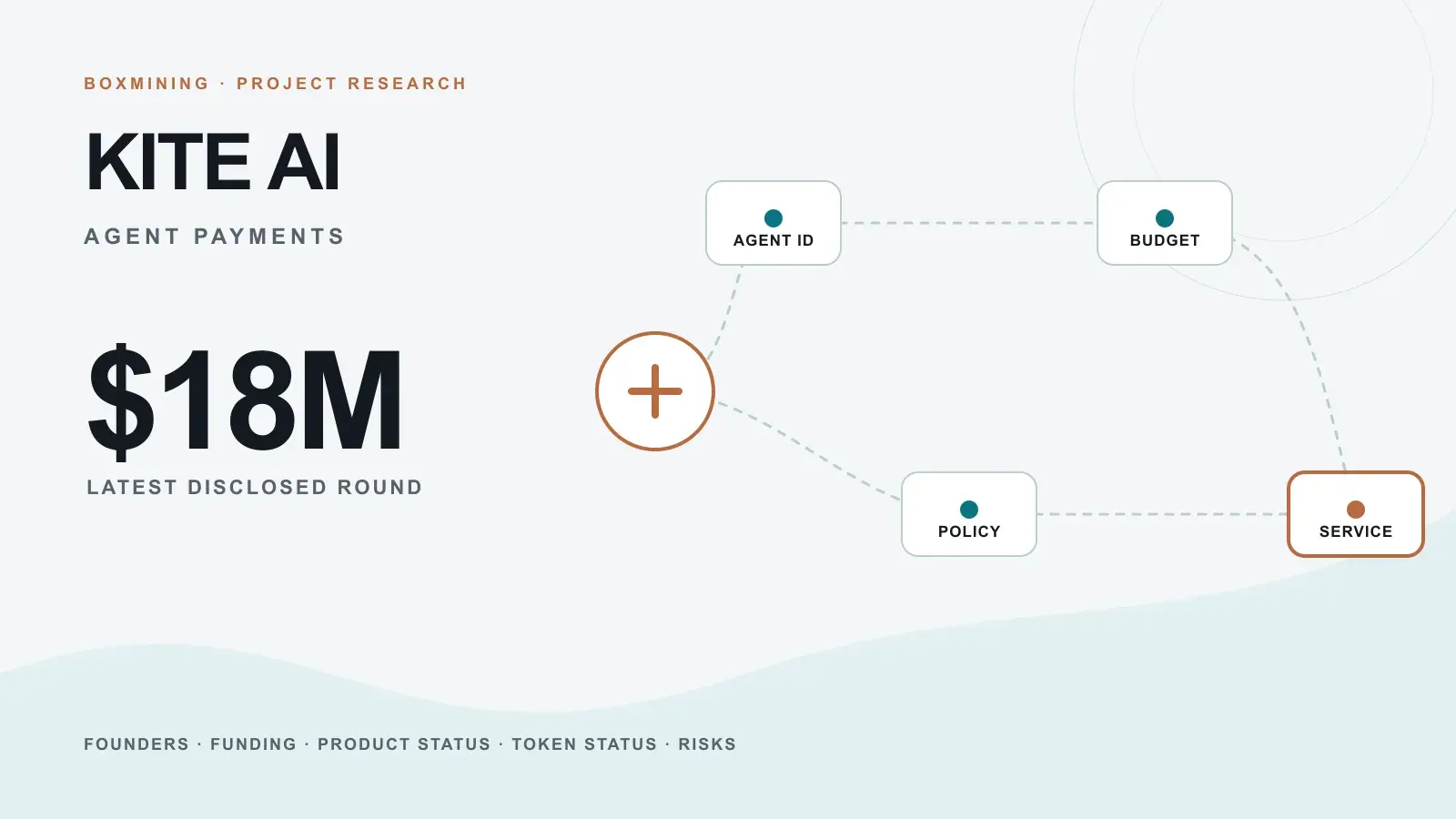
Kite combines an AI-agent identity layer, app discovery and stablecoin settlement. Its mainnet and token are live, but agent commerce is still an experimental market.
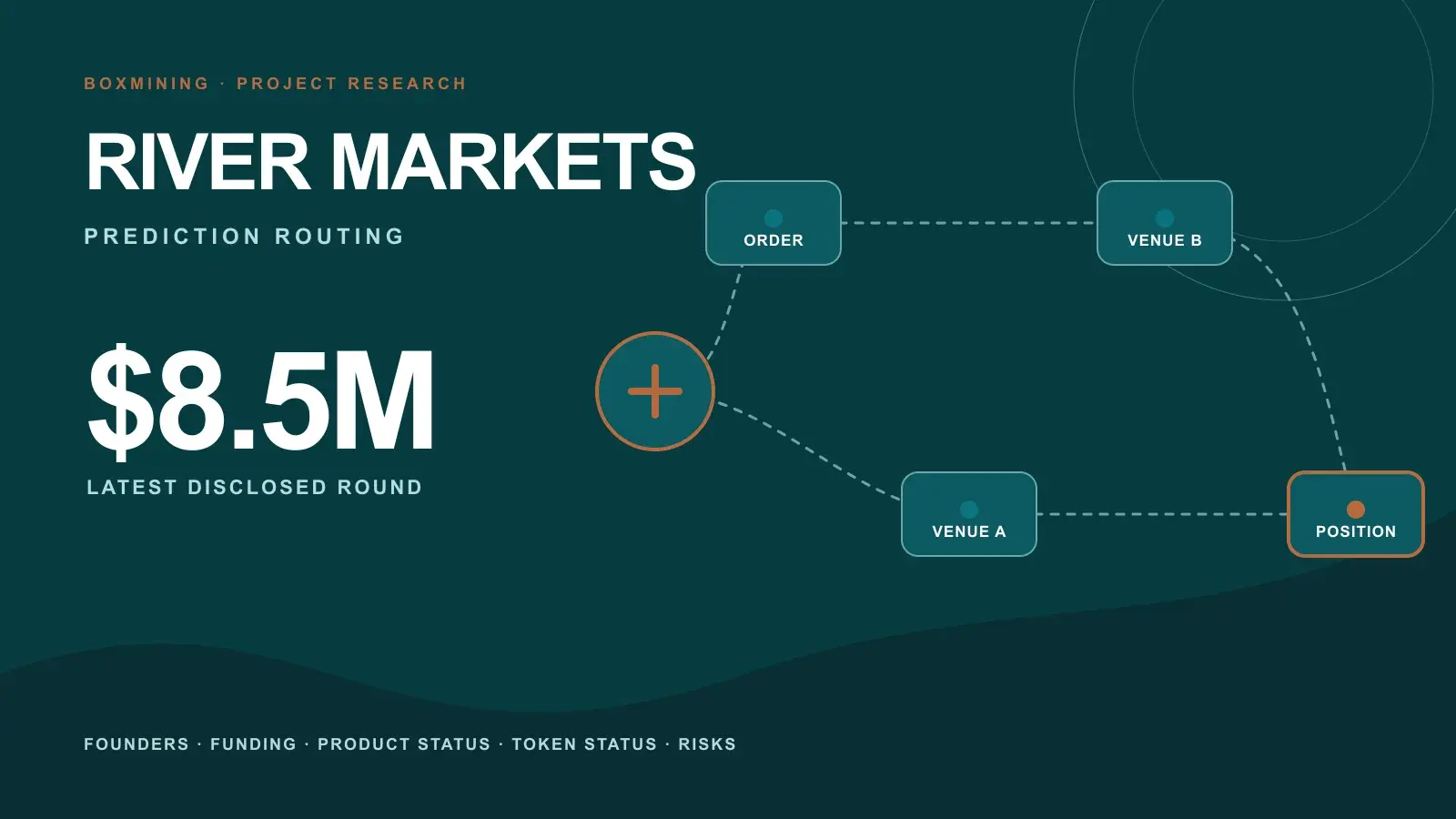
River Markets aggregates professional execution across Kalshi and Polymarket. The product is live, but its “prime brokerage” label runs ahead of the financing and custody functions available today.
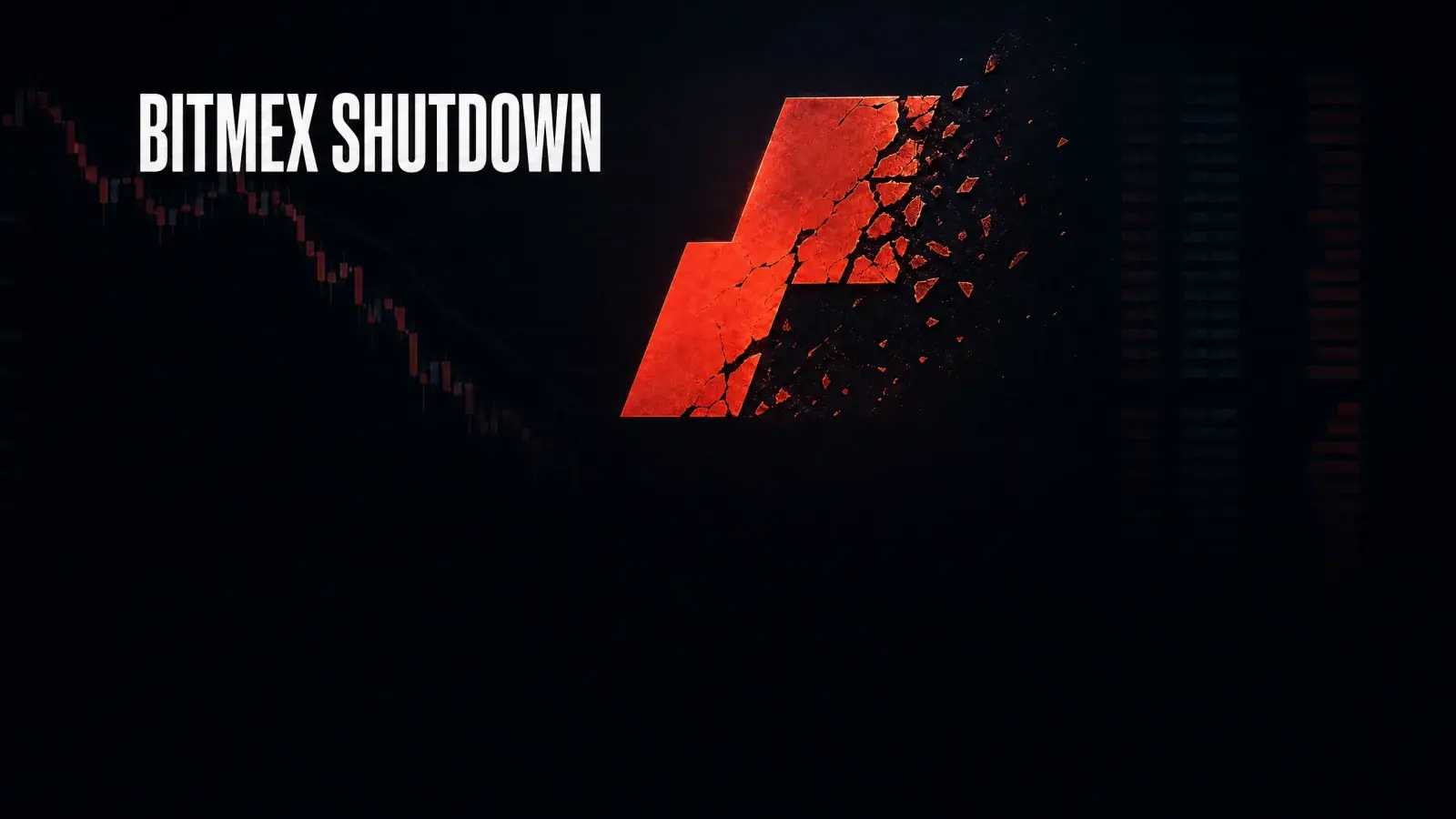
BitMEX will close its exchange on 23 September 2026. Trading data points to years of lost market share, weak spot adoption, stronger competitors and mounting regulatory costs.
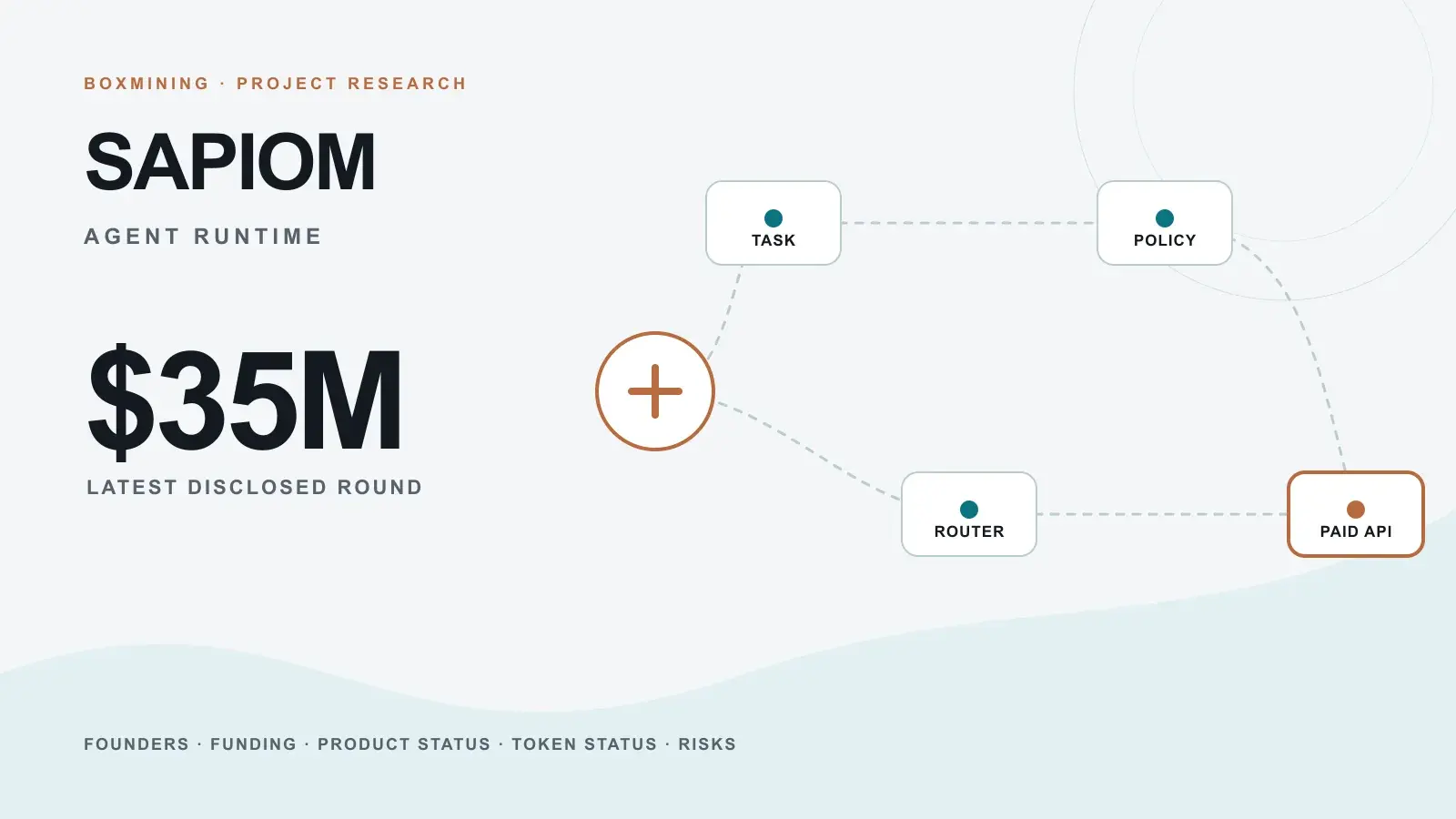
Sapiom has expanded from agent payments into runtime and inference routing. Its funding is real and its usage claims are large, but it is AI infrastructure—not a DeFi protocol or token.

Boxmining’s 2026 crypto exchange rating criteria cover trust, liquidity, regulation, coin access and user experience. Apply the same rubric yourself.
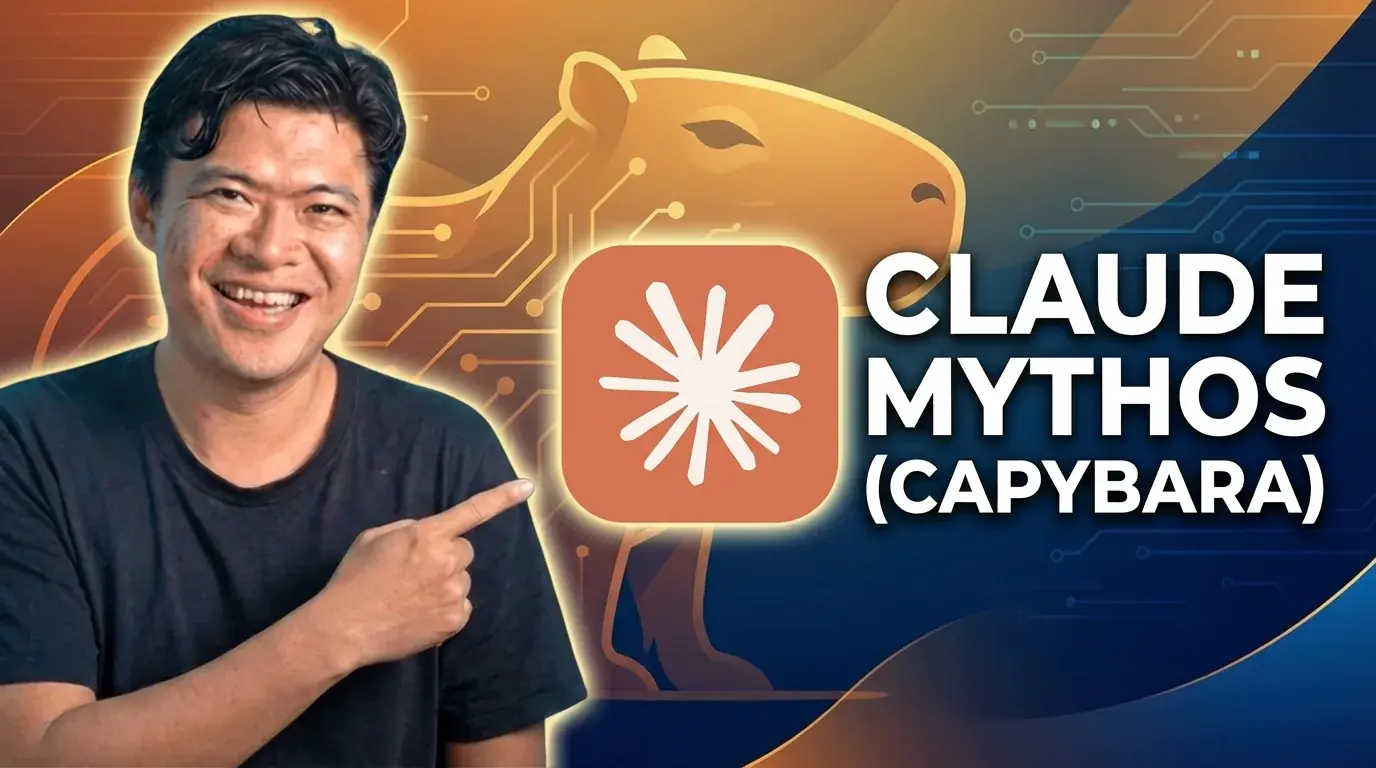
Anthropic accidentally revealed its next-generation AI model, codenamed “Capybara,” through a CMS misconfiguration. Here’s everything we know about the model that sits above Opus. How the Leak Happened On March 26, 2026, Fortune magazine discovered nearly 3,000 unpublished assets — draft blog posts, images, and PDFs — left exposed in a publicly searchable data store linked to […]

Fix an OpenClaw agent that gives weak, repetitive or invented answers by tightening tasks, checking tools and credentials, testing outputs and saving proven workflows.
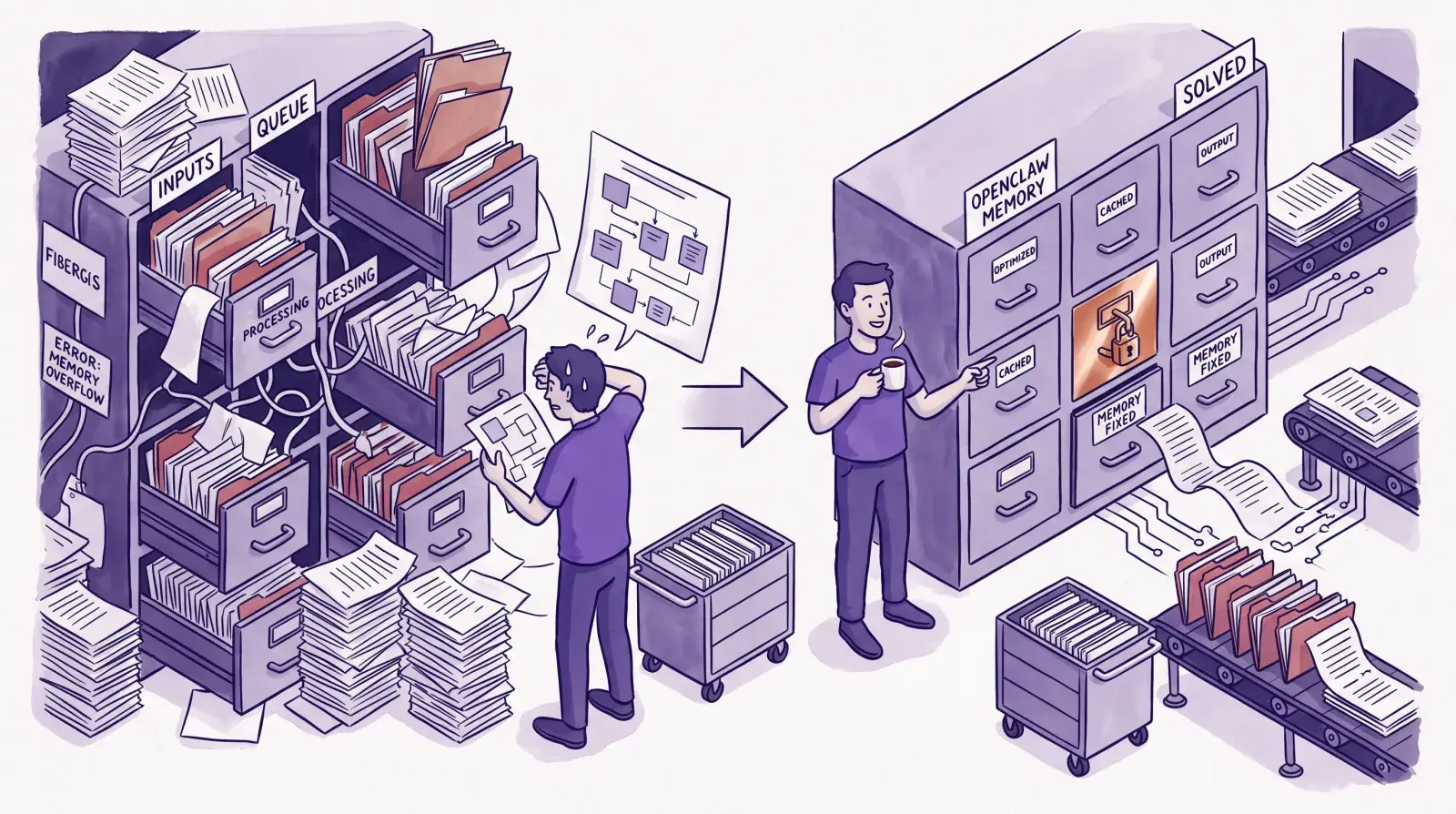
If you’ve been using OpenClaw for more than a day, you’ve probably hit the same wall we did: you spend hours telling your AI agent…

If you’ve been running an AI agent with OpenClaw, you’ve probably hit the same wall I did — your agent forgets things.
Boxmining uses Google Analytics cookies to understand which guides are useful, with no ads or personalisation. Privacy policy