Cosmos EVM Hack Explained: How Shared Code Drained Multiple Chains
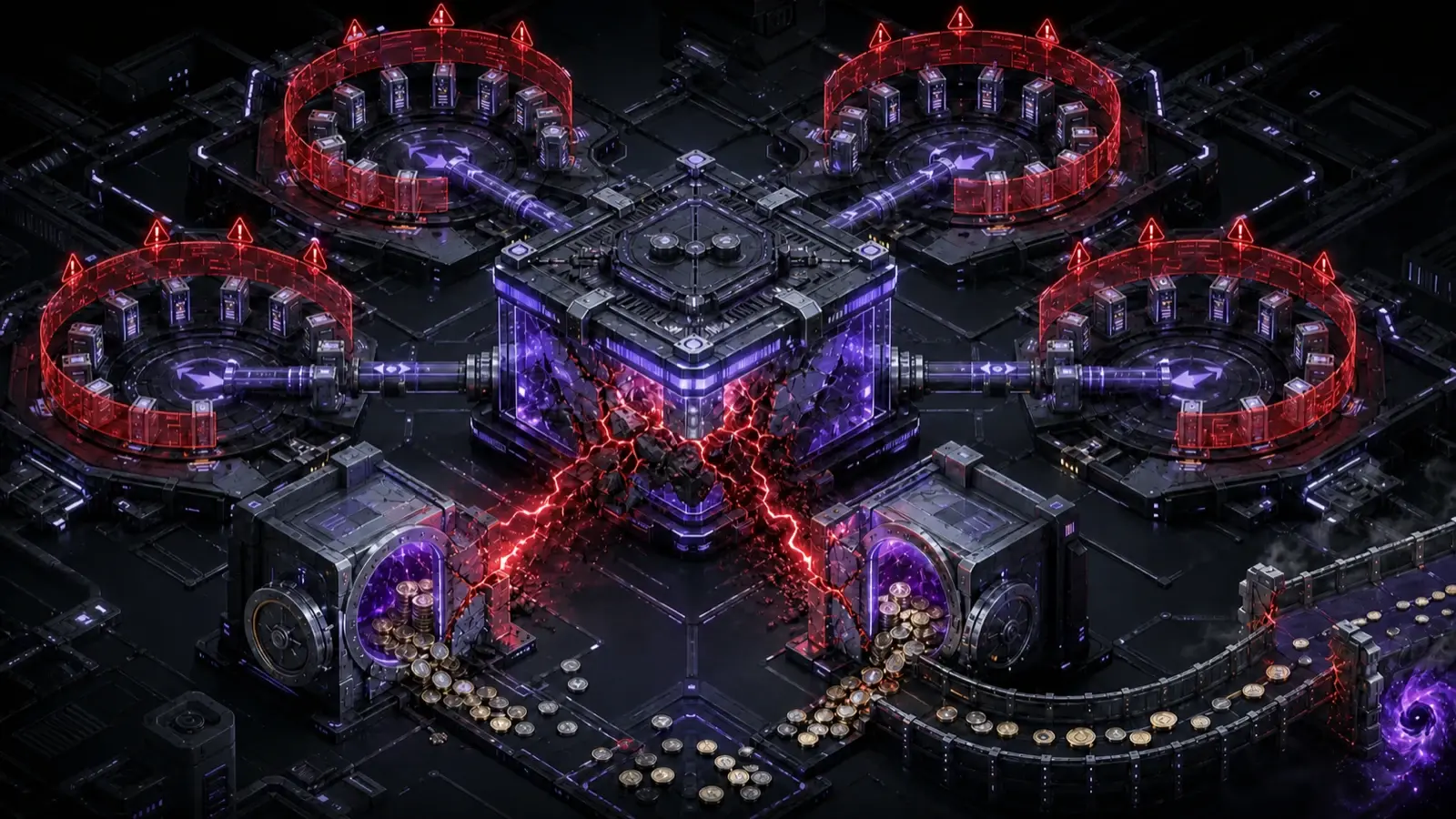
Attackers used a shared Cosmos EVM flaw to drain KiiChain and TAC and force emergency halts across several networks. The code failed, but so did the warning system around it.
Author
Michael Gu, Creator of Boxmining, stared in the Blockchain space as a Bitcoin miner in 2012. Something he immediately noticed was that accurate information is hard to come by in this space. He started Boxmining in 2017 mainly as a passion project, to educate people on digital assets and share his experiences. Being based in Asia, Michael also found a huge discrepancy between digital asset trends and knowledge gap in the West and China.
171 articles

Attackers used a shared Cosmos EVM flaw to drain KiiChain and TAC and force emergency halts across several networks. The code failed, but so did the warning system around it.

World Liberty Financial's USD1 is now natively issued on Canton, giving tokenized institutional markets another dollar settlement option.

Canton is a public blockchain built for institutions that need atomic settlement and privacy. Here is how it works and what is actually live.

HKDAP is Hong Kong's first licensed HKD stablecoin. Here is what Standard Chartered is building, why it matters and how far the plan could go.

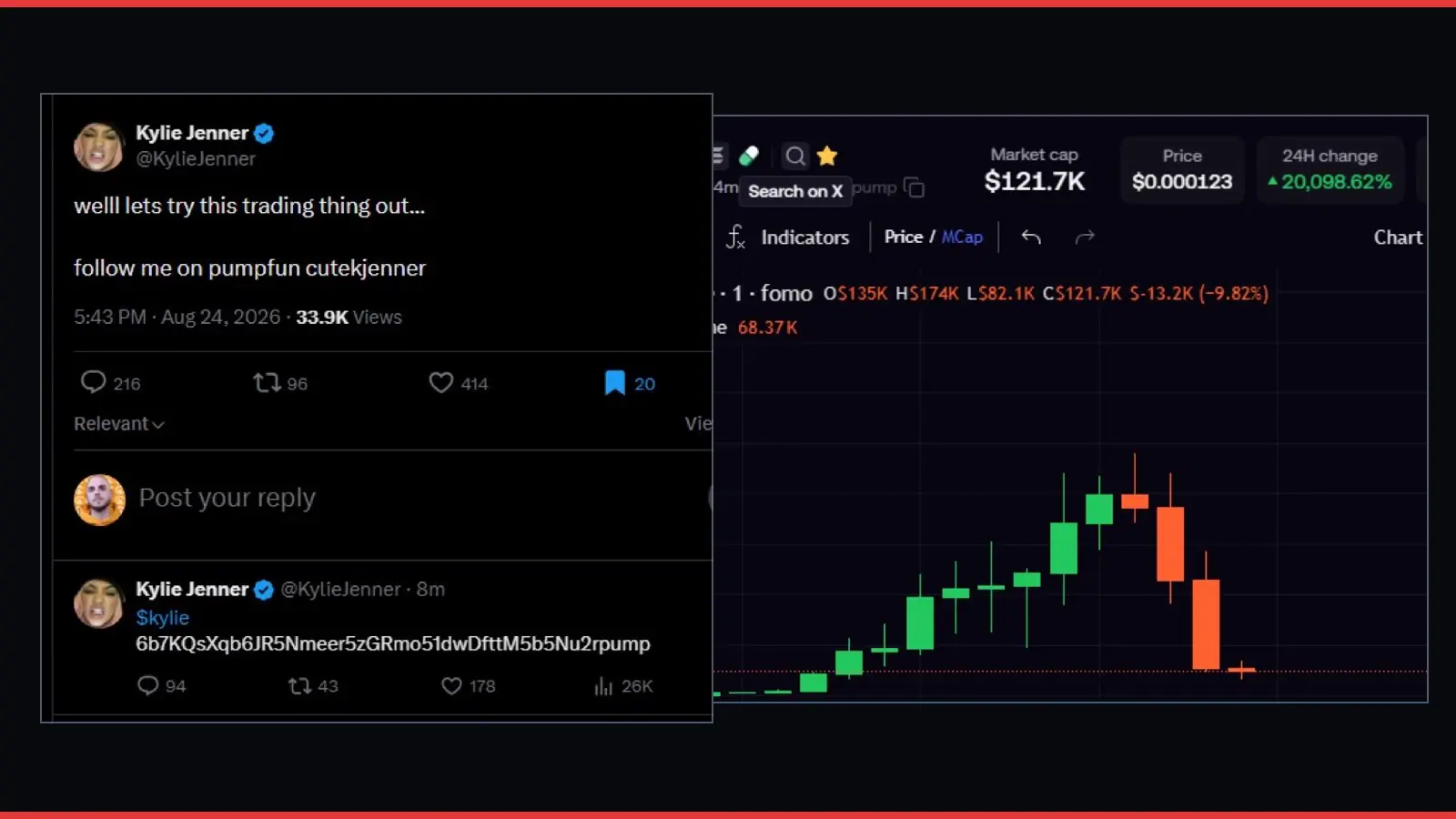
A Pump.fun token surged after Kylie Jenner's verified X account posted its address, then collapsed as the posts disappeared. The incident is part of a renewed wave that turns borrowed social-media trust into instant exit liquidity.

The August 19 crypto rally began in the bond market, accelerated through one of the largest short squeezes in years and then rotated violently into Ether. Here is the evidence, the timeline and the risk of a reversal.

x402 turns HTTP 402 Payment Required into a machine-readable checkout. It could let AI agents pay publishers per article, dataset or tool call—but payment is only one part of the creator-economy problem.

South Korean internet providers are being directed to block Polymarket after a regulator classified its event contracts as gambling-related information. Here is what the order does—and what it does not do.

Telegram has applied for the GRAM top-level domain. If approved, it could connect websites, accounts and TON—but username rights are unclear.

Hackers are using fake Odyssey movie downloads to spread Lumma Stealer, malware that targets passwords, browser sessions, wallet data and crypto recovery phrases.

Attackers are exploiting a macOS Screen Sharing authentication flaw on internet-exposed Macs, gaining root access and installing Monero miners. Here is who is at risk, how to patch and what to do after suspected compromise.

CZ emptied two valuable assets from his public tutorial wallet into Giggle Academy. On-chain records show a roughly $955,000 donation, not his entire crypto fortune.

HKDAP did not depeg or get hacked. Hong Kong's first live licensed stablecoin failed a public code review that found broken KYC controls and dangerously concentrated governance.

SafePal says an order-tracking flaw exposed 39,798 buyers. Wallet keys were not leaked, but names, addresses and order details can fuel targeted scams.

Latency matters only relative to a strategy, venue and market event. Map the full path before paying to optimize the wrong bottleneck.

The symbol may look the same, but matching rules, products, fees, depth and account risk make each exchange a different market.

The signal is the visible tip. Production trading depends on market data, risk, execution, monitoring, capture, recovery and reconciliation.

A backtest, event replay and paper account answer different questions. Use each as a gate—and keep live capital outside the experiment.

A correct up-or-down call can still be a losing trade. Compare direction labels with fair value, expected return and decisions after costs and risk.

Sequence gaps, clock drift, revised candles and vanished assets can manufacture an edge. Here is how to build market data that can be audited.

Rebuild two classic microstructure teaching signals, then stress-test the assumptions that make an attractive formula fail in real crypto markets.

Market makers wait, takers demand immediacy and arbitrageurs connect prices. Here is what each role earns—and what each risks.

Learn how order events create bids, asks, spreads, depth and trades—and why the visible book is only a conditional snapshot of liquidity.

Follow one hypothetical crypto order from a live quote through market data, risk checks, matching, fills and account reconciliation.