
Review
Crypto.com Review (2026): Exchange, App, Cards and Key Risks
Crypto.com combines an exchange, app, cards and custody products, but terms and access vary by country. Best for users who want one broad crypto ecosystem.
Angela Wang
Author
Angela loves cryptocurrency, technology that improves our lives...and food. Anything that merges these worlds together is even better.
253 articles
Crypto.com combines an exchange, app, cards and custody products, but terms and access vary by country. Best for users who want one broad crypto ecosystem.

Gate.io offers a very large cryptocurrency selection and advanced trading products. This review weighs its fees, features, security and learning curve.

Bitget combines copy trading, futures and published reserves, but product access and regulatory status vary by country. Best for eligible active traders.

Kraken pairs strong regulation, proof-of-reserves work and fiat access with fewer coins and thinner derivatives liquidity. It suits trust-focused traders.

Coinbase combines public-company transparency with broad crypto access, but fees, custody and regional limits matter. Best for eligible fiat-first users.

OKX combines low fees, strong perpetual markets and broad trading tools, but trust and coin coverage trail the top venues. Best for active derivatives users.

Binance leads on liquidity, coin selection and trading tools, but its regulatory record and jurisdiction limits matter. Best for eligible active traders.

Rainbow ($RNBW) is a cryptocurrency wallet that lets users manage tokens, NFTs, and cross‑chain swaps across Ethereum and Layer 2 networks.

BULK opened Season 1 pre-deposits and introduced AURA, but no token contract, TGE date or airdrop conversion is verified. See the August 2026 status and risks.

GTE moved beyond its old MegaETH testnet and now describes a Turbo-powered Internet Exchange. Check the 2026 token, airdrop and app status safely.

Alfacash was a simple non-custodial crypto on-ramp, but its domain is now parked. This archived review is for former users, not new deposits.

Wirex combines a fiat-and-crypto wallet with a payment card, but its smaller coin range and liquidity suit everyday spending more than active trading.

Upbit is a beginner-friendly South Korean exchange built around KRW markets. This review covers registration, trading, fees and its regional limitations.
A guide to Ethereum’s transition from proof of work to proof of stake, the terminology around Ethereum 2.0 and what the Merge changed for ETH.
Hot and cold wallets are used to store your cryptocurrencies, specifically your private keys which grant you access to your crypto assets.

ShapeShift is an open-source, non-custodial DEX aggregator with strong privacy, but thin liquidity limits serious trading. Best for self-custody users.

Set up MetaMask, protect your recovery method, send crypto, manage EVM, Bitcoin and Solana accounts, add networks, and use buy or sell providers safely.
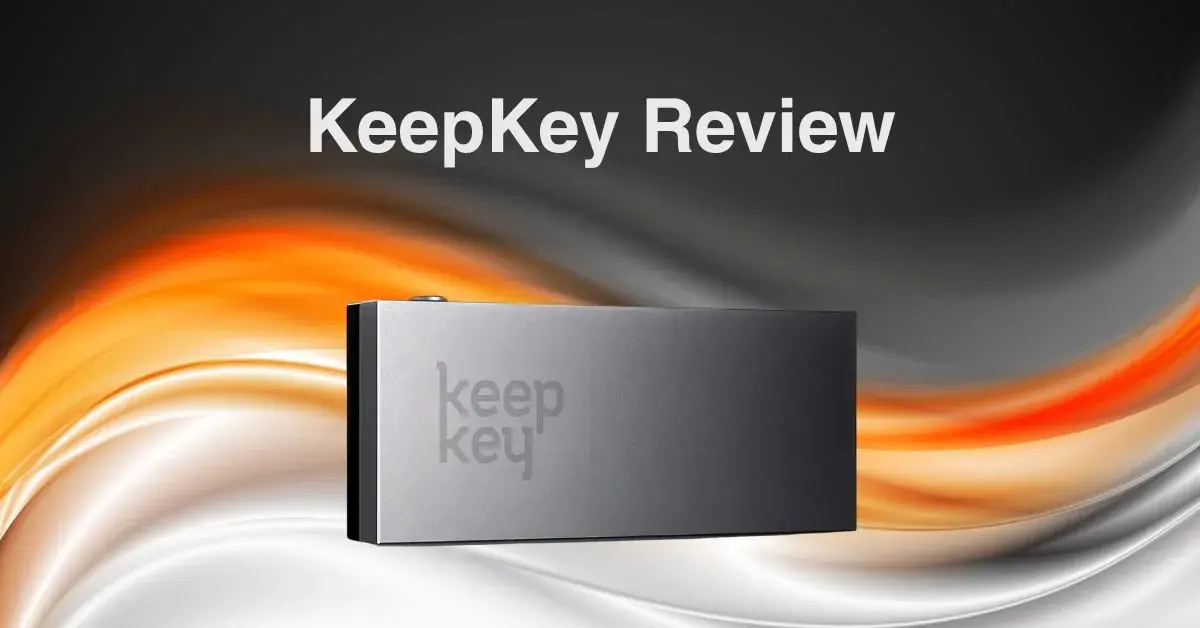
KeepKey remains maintained with open hardware and a large screen, but no Secure Element. It suits budget buyers who can control physical access.
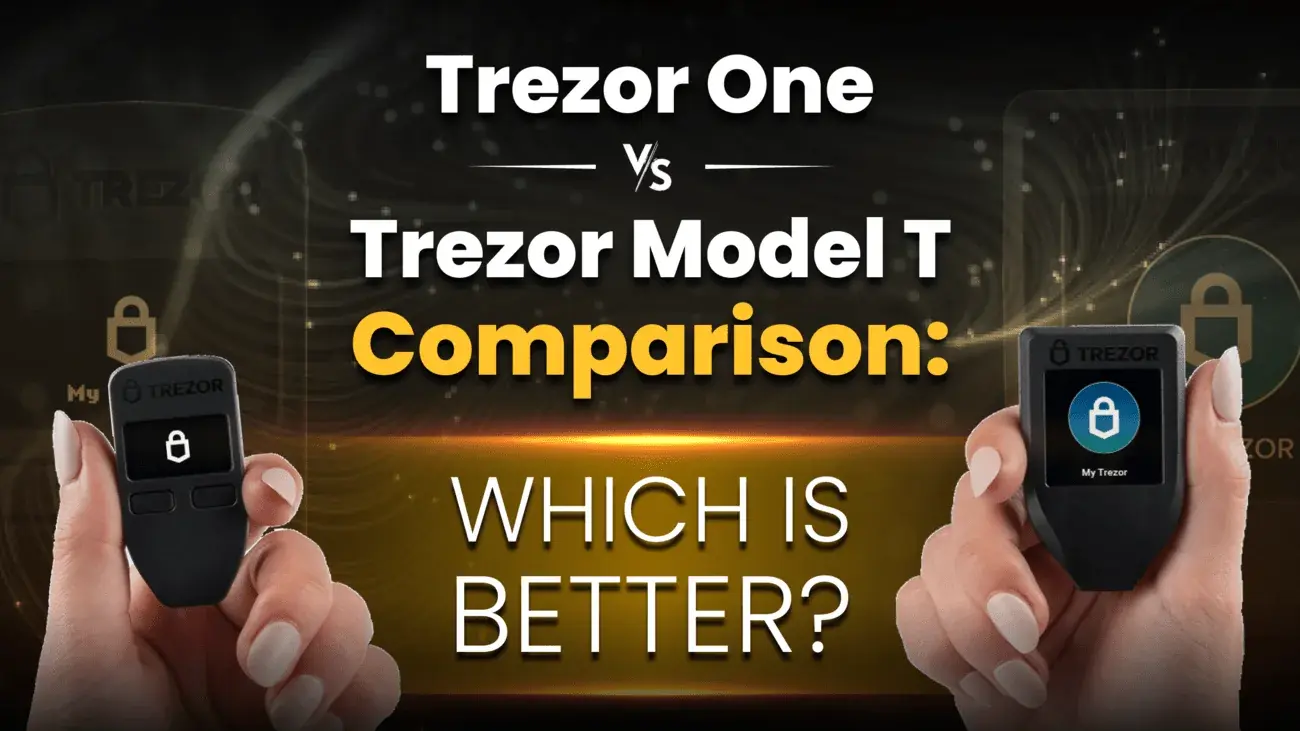
Trezor One and Trezor Model T are cryptocurrency hardware wallets released by SatoshiLabs in 2014 and 2018.
Compare current cryptocurrency and network support for Ledger, Trezor, KeepKey and Enjin Wallet. Updated in August 2026 with official compatibility links, legacy-device notes and a clear explanation of native, app and third-party support.

In 2025, the Trezor Model T remains a flagship cryptocurrency hardware wallet developed by SatoshiLabs.
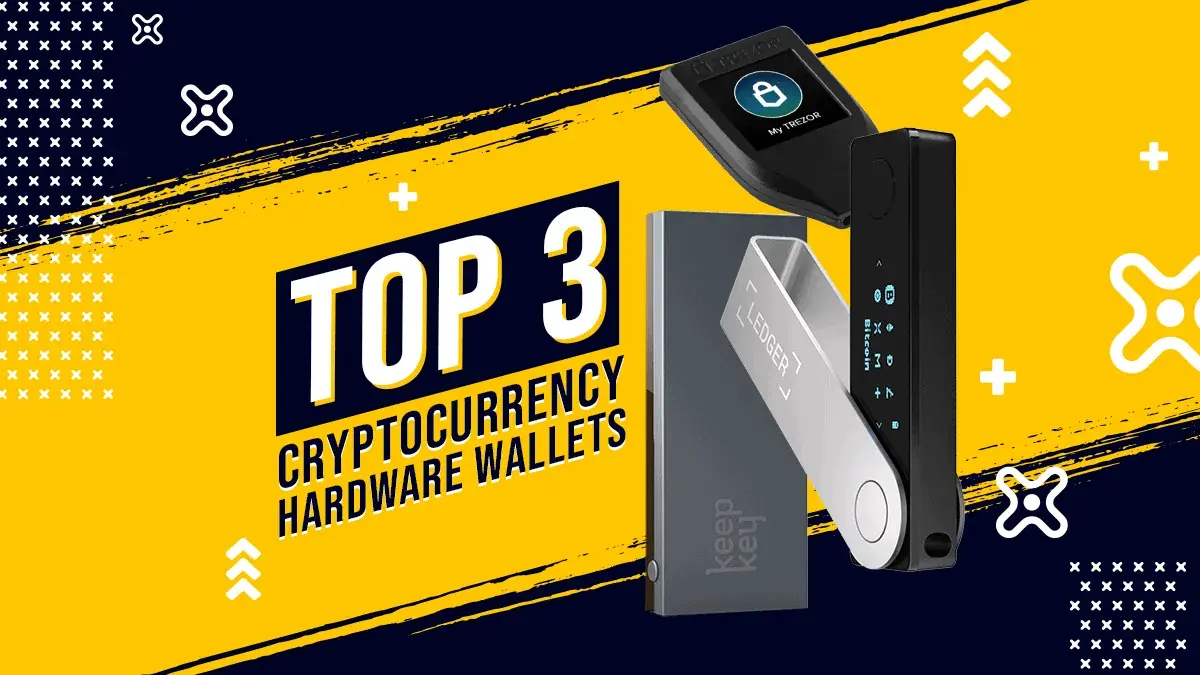
A 2026 comparison of Ledger Nano X, the discontinued-but-supported Trezor Model T, and the actively maintained KeepKey, covering security, design, assets and usability.
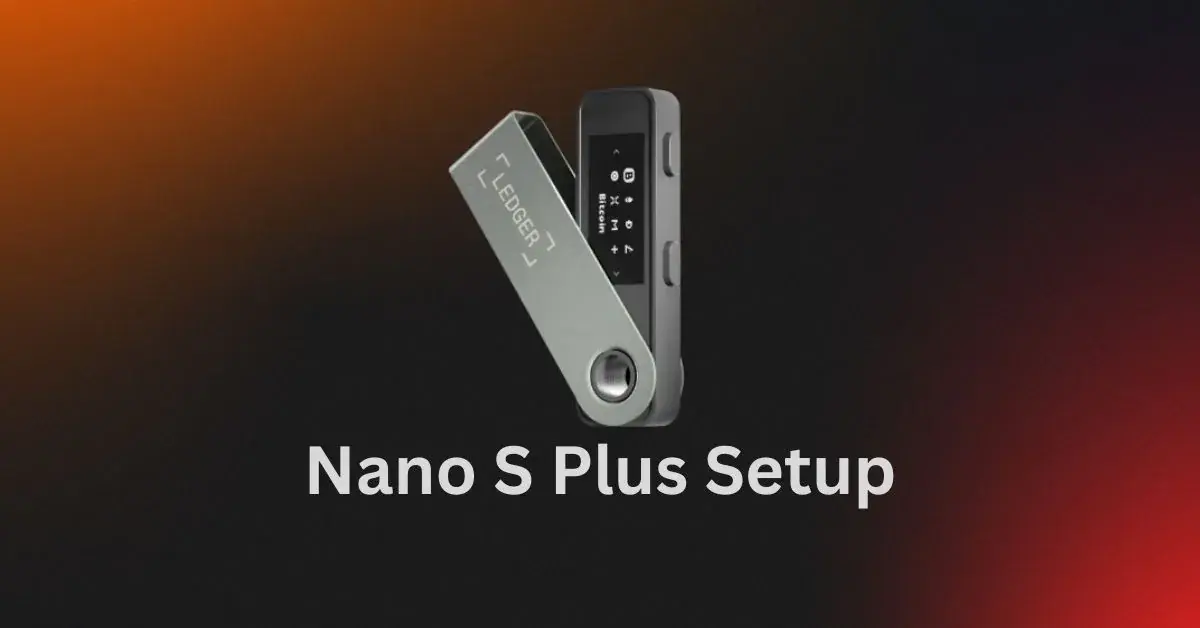
Setting up your Ledger Nano S Plus is the first step to protecting your cryptocurrency with secure, offline storage.

Robinhood combines stocks, ETFs and cryptocurrency in one simple app, but limited crypto trading tools make it better for casual investors than power users.